Downspout Installation in Jacksonville, FL
Downspout Installation in Jacksonville, FL
Correctly sized, placed, and routed downspouts that carry collected roof water from your gutters to sensible discharge points — away from your foundation, walkways, and landscaping.
What Downspouts Actually Do
Gutters collect; downspouts deliver. Every gallon of roof runoff that enters a gutter run has to exit through a downspout, which makes downspouts the most important — and most overlooked — part of the drainage path. A well-installed gutter with too few downspouts will still overflow. A clean gutter with a downspout that discharges against the foundation still soaks the foundation.
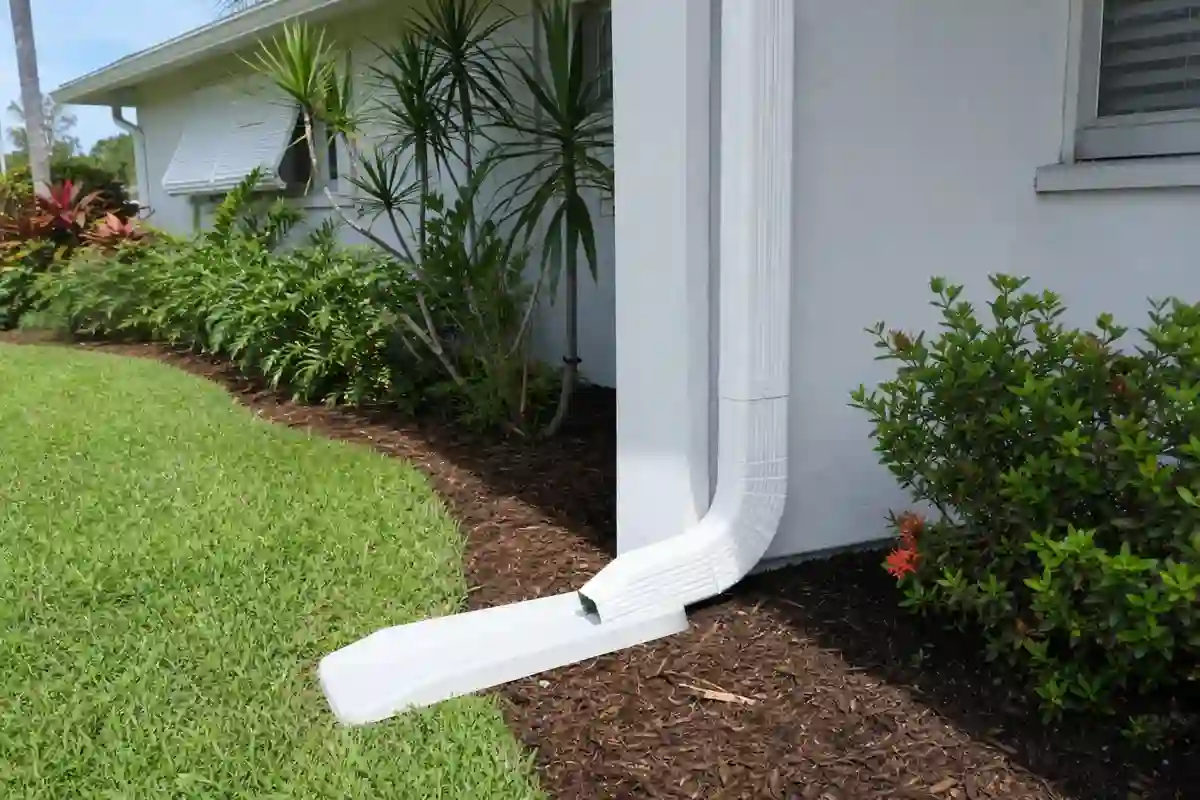
Downspout installation covers adding new downspouts to an under-served system, replacing damaged or undersized ones, rerouting downspouts that discharge in the wrong places, and extending discharge away from the home.
Why Jacksonville Homes Need Enough Downspouts
Rainfall intensity is the reason. A Jacksonville thunderstorm can push water through a gutter system faster than a single downspout can accept it. When inflow outpaces the downspout, the gutter fills and spills — even though nothing is clogged and nothing is broken. The system is simply under-capacity at the exit.
Roof design multiplies the effect. Valleys concentrate the runoff of two roof planes into one spot, and large two-story homes in St. Johns and Nocatee can feed surprising volumes into short gutter sections. Matching downspout count and placement to actual runoff volume is what keeps water inside the system during heavy rain.
Signs Your Home Needs Downspout Work
Downspout problems announce themselves during and after storms. Watch for these patterns:
- Gutters overflowing in heavy rain even though they are clean.
- One section of gutter always overflowing while the rest perform fine.
- Water pooling at the base of a downspout or against the foundation.
- Erosion channels or washed-out mulch directly below a downspout.
- Downspouts that are dented, disconnected, or separated at the elbows.
- Splash marks and staining on siding near a downspout joint.
How We Plan Downspout Placement
Placement starts at the roof. We look at how much roof area feeds each gutter run, where valleys concentrate flow, and how long each run is. Outlets are positioned so water has a short, direct path out of the gutter — and so the downspout lands somewhere workable on the wall below.
At ground level, we consider what the discharged water will do: the grade of the lot, the location of walkways and planting beds, and where water can drain without ponding. On the flat lots common across Jacksonville, getting discharge far enough from the foundation often matters more than any other single detail.
Discharge Options at Ground Level
Where a downspout ends is as important as where it begins. Basic elbows and splash blocks suit lots with good natural slope away from the house. Extensions carry water several feet farther when the grade is flat. In some cases, rerouting a downspout to a different wall entirely is the cleanest solution — moving discharge from a problem area to a part of the yard that handles water well.
We recommend the simplest option that reliably moves water away from the foundation, walkways, and beds, and we explain the trade-offs before doing the work.
Downspout Materials and Components
Residential downspouts are typically aluminum to match the gutter system, connected with elbows at the wall and secured with straps sized for the run. Outlets — the fittings where the gutter meets the downspout — deserve attention too, because an undersized outlet restricts flow no matter how large the downspout below it is.
During installation we match downspout size to the runoff each run carries, use secure fastening that stands up to wind, and route the assembly neatly along the wall so the finished work looks intentional rather than improvised.
Jacksonville-Area Drainage Considerations
Much of Jacksonville sits on relatively flat ground, which means water discharged next to the house has nowhere to go on its own. That makes discharge planning a first-class part of every downspout job, not an afterthought. In coastal areas like Jacksonville Beach and Ponte Vedra Beach, sandy soils drain quickly in some spots and pond in others, so we look at how each property actually behaves after a storm.
Storm season adds urgency: downspouts that are loose, disconnected, or undersized tend to fail exactly when they are needed most.
Common Downspout Mistakes to Avoid
The most common mistakes are too few downspouts for the roof area, outlets placed for installation convenience instead of water flow, discharge that ends inches from the foundation, and extensions that dump water onto a walkway or a neighbor’s grade. Each is easy to avoid when the drainage path is planned as a whole — and each is expensive to ignore.
Why Choose Us for Downspout Installation
Because we install complete gutter systems, we size and place downspouts based on the runoff they must carry — not on where a downspout happens to be easiest to attach. We plan discharge at ground level as carefully as the connection at the roofline, and we explain the reasoning so you know exactly what each downspout is doing for your home.
Downspout Installation Across Our Service Area
Gutter Installation Jacksonville FL is proud to serve Jacksonville and the surrounding communities. We provide downspout installation for homeowners in:
- Gutter installation in St. Johns
- Gutter installation in Fruit Cove
- Gutter installation in Mandarin
- Gutter installation in Ponte Vedra Beach
- Gutter installation in Nocatee
- Gutter installation in Jacksonville Beach
- Gutter installation in Riverside/Avondale
- Gutter installation in San Marco
- Gutter installation in Southside
- Gutter installation in Arlington
- Gutter installation in Orange Park
- Gutter installation in Julington Creek
Planning Your Gutter Project Cost
Project cost depends on the roofline, linear footage, home height, materials, downspouts, access, and whether old gutters or fascia need attention. For a homeowner-focused explanation of those variables, read our Jacksonville gutter cost guide.
Related Gutter Services
- Gutter Installation — Complete gutter systems planned around your roofline, runoff volume, and where water should discharge.
- Seamless Gutter Installation — Custom seamless aluminum runs with fewer joints, a cleaner roofline, and fewer potential leak points.
- Gutter Replacement — Replace leaking, sagging, or storm-damaged gutters with a properly planned new drainage system.
- Gutter Guard Installation — Guards that help keep leaves, pine needles, and roof debris out of your gutters between cleanings.
Downspout Installation FAQs
How many downspouts does a home need?
There is no universal number — it depends on roof area, gutter run length, and how valleys concentrate runoff. As a rule, long runs and runs fed by valleys need more capacity at the exit. During the estimate we calculate what each section of your roof produces and place downspouts to match.
Can a home have too few downspouts?
Yes, and it is one of the most common causes of overflow we see. When a downspout cannot accept water as fast as the gutter delivers it, the run fills and spills during heavy rain. Adding a downspout or enlarging an outlet often fixes overflow that homeowners assumed meant the gutters were clogged.
Where should downspouts discharge?
Somewhere the water can drain away without creating a new problem: away from the foundation, off walkways, and clear of planting beds that wash out. On flat Jacksonville lots, extensions or rerouting are often needed to get water far enough from the house.
Can you add a downspout to my existing gutters?
Yes. Adding downspouts to an under-served system is a common job. We cut in a new outlet at the right point in the run, route the downspout down the wall, and set up sensible discharge at the bottom. It is one of the most cost-effective drainage improvements available.
Why does water pool at the bottom of my downspout?
Usually because the discharge ends too close to the house on flat ground, so water has nowhere to go. An extension that carries discharge farther out, or rerouting to an area with better drainage, typically solves it. Persistent pooling can also indicate grading issues worth addressing.
Can downspouts be moved to a different side of the house?
Often, yes. Rerouting a downspout means adjusting the gutter outlet and slope so water travels to the new location. It is a practical fix when the current discharge point floods a bed, dumps onto a walkway, or sends water toward the foundation.
Contact Us Today for a Free Estimate
Ready to improve drainage around your Jacksonville home? Tell us what you need and we will help you plan the next step.
Free — no obligations